Agritourism as a Bridge: A New Pathway for China-Uzbekistan Cooperation in Agricultural Trade and Modernization across Central Asia
1. Introduction: A New Approach to Agricultural Cooperation through Tourism
In recent years, cooperation between China and Central Asian countries has extended beyond energy and transportation into agriculture and cultural exchange. Uzbekistan, as a major agricultural country located at the heart of the Silk Road, boasts fertile irrigated plains and a long agricultural tradition. China—especially Xinjiang—serves not only as a major agricultural region but also as a gateway and logistics hub for agricultural trade with Central Asia. The two sides share strong complementarities and vast cooperation potential.
However, this potential remains underdeveloped due to several constraints:
- Limited market information and weak linkages between producers and buyers;
- Low level of agricultural branding and standardization;
- Lack of alignment between China-Uzbekistan product standards and market channels;
- Fragmented cooperation in agricultural machinery and technology.
A promising breakthrough lies in leveraging rural and agritourism as a bridge for cross-border agricultural cooperation and trade.
Tourism is not merely the movement of people—it is also the movement of goods, culture, and ideas. By integrating agriculture with tourism, Uzbekistan can enhance the international visibility of its agricultural products, attract investment and technology, and promote cooperation in agricultural inputs, machinery, and know-how. This model aligns closely with the Belt and Road Initiative’s principle of “people-to-people connectivity” and offers a sustainable, diversified framework for regional agricultural cooperation.
2. Foundations of Uzbekistan’s Agricultural and Rural Tourism Development
(1) Agricultural Strengths and Geographic Advantages
Agriculture accounts for roughly 26% of Uzbekistan’s GDP and employs around a quarter of its population. The key production areas include:
- Fergana Valley – the country’s “granary,” rich in cotton, fruit, and vegetables;
- Samarkand and Bukhara regions – combining agricultural and cultural tourism advantages;
- Khorezm and Kashkadarya – strong in wheat, grapes, dates, and livestock;
- Tashkent region – home to developed processing and cold-chain logistics industries.
Uzbekistan’s agriculture is characterized by irrigated, labor-intensive production and a relatively low level of mechanization. This creates a natural opportunity for Chinese expertise in agricultural machinery, water-saving irrigation, smart farming, and soil improvement.
Furthermore, Uzbekistan is rich in potash resources, with major deposits in Navoi and Karakalpakstan. Its annual production exceeds 1 million tons, offering strong potential for potash exports to China via Xinjiang’s Horgos port, which could complement China’s western fertilizer demand structure.
(2) Potential and Challenges in Rural Tourism
Uzbekistan has actively promoted the integration of Silk Road cultural tourism and rural tourism. Cities such as Samarkand, Bukhara, and Khiva have become international tourist destinations. Yet, rural tourism remains underdeveloped—largely limited to homestays and lacking deeper agricultural experiences or product marketing.
According to the State Committee for Tourism, rural guesthouses are growing by over 15% annually, but the sector still lacks links between tourism, agricultural production, and local supply chains. This gap offers an opening for Chinese participation in planning, branding, and integrated development. With China’s mature experience in “Beautiful Countryside” and agri-cultural integration, Uzbekistan can build a new model of agritourism-driven rural revitalization.
3. Complementarity and Synergy in China-Uzbekistan Agricultural Cooperation
| Category | Uzbekistan’s Strengths | China (Xinjiang)’s Demand | China’s Strengths | Uzbekistan’s Demand |
| Fruits | Grapes, pomegranates, apricots, walnuts, figs | Dried fruits, nuts | Tropical fruits (mango, pomelo, dragon fruit) | Cold-chain logistics, tropical imports |
| Processed Foods | Dehydrated vegetables, flour | Specialty ingredients | Food processing and packaging | Mechanization and standards |
| Agro-inputs | Potash fertilizer | Fertilizer trade | Compound fertilizers, irrigation systems | Efficient fertilizers, drip irrigation |
| Agri-tech | – | – | Smart agriculture, soil improvement | Technical training, joint research |
Xinjiang serves as China’s gateway to Central Asia, with established logistics and wholesale networks in Urumqi, Horgos, and Kashgar.
According to the Urumqi Bureau of Commerce (2024), Xinjiang’s annual agricultural trade volume exceeds 120 billion RMB, with over 35% linked to Central Asian exports.
4. Strategic Framework: Using Agritourism to Drive Trade and Cooperation
(1) Core Idea: From “Tourism Experience” to “Trade Connectivity”
Agritourism acts as a dynamic medium linking agricultural production, product branding, and market access. The proposed development path includes:
- Experience → Brand Recognition
Establish “Silk Road Agricultural Experience Corridors” in Uzbekistan, where visitors—especially from China—participate in vineyard tours, fruit drying workshops, and cotton harvest festivals, turning experiences into brand awareness and investment interest. - Exhibitions → Supply-Demand Matching
Launch the China-Uzbekistan Agriculture and Tourism Expo, combining trade, culture, and tourism:- Silk Road Rural Expo: alternating between Samarkand and Xinjiang;
- Silk Road Fruit Festival: hosted in Urumqi with national pavilions from Central Asia;
- Agriculture and Tourism Innovation Week: co-organized by universities and research institutes.
- Culture → Long-Term Connectivity
Promote joint training, youth exchanges, and entrepreneurship programs in rural tourism, establishing lasting institutional linkages between universities, think tanks, and enterprises.
(2) Institutional Mechanisms and Platforms
- Silk Road Agritourism Innovation Cooperation Center
It is recommended that relevant institutions from China and Uzbekistan jointly establish the center. The main functions of the center are as follows:- Research on agritourism models and planning;
- Demonstration and testing of agricultural machinery and inputs;
- Education and vocational training for rural revitalization;
- Support the establishment of Tourism Promotion and Agricultural Product Distribution Centers in Urumqi and Tashkent to facilitate market linkage and cross-border cooperation;
- A joint China-Uzbekistan Agricultural Brand Database and standards platform.
- China–Central Asia Agritrade and Tourism Expo
A recurring event combining exhibition, field visit, and project signing, including:- Exhibition zones for farm products and processed foods;
- Agricultural machinery, fertilizers, seeds, and packaging;
- Investment and policy dialogue forums;
- Tourism routes linking Urumqi–Horgos–Tashkent and Samarkand–Bukhara–Kashgar–Yili.
- Silk Road Rural Branding Initiative
Develop regional product brands such as Bukhara Dried Fruits and Samarkand Wines, building market channels in Xinjiang. Integrate Chinese rural e-commerce and digital marketing to create an online–offline “Silk Road Farmhouse” ecosystem.
(3) Deepening Cooperation in Agricultural Inputs, Machinery, and Technology
- Agricultural Machinery Demonstration and Training Centers
Establish demonstration farms in Uzbekistan in cooperation with Xinjiang Jiuding Group and Jiangsu SUMEC Group, showcasing equipment such as drones, drip irrigation, and precision planters, coupled with technician training. - Agricultural Inputs Cooperation
Utilize Uzbekistan’s potash production to supply the Chinese market via Horgos, while China exports high-efficiency fertilizers and irrigation products to Uzbekistan.
Set up a China–Uzbekistan Agro-inputs Exchange Center to promote transparency and long-term contracts. - Smart Agriculture and R&D Collaboration
Deploy satellite-based monitoring, IoT farming, and water-saving irrigation technologies, establishing joint agri-tech laboratories as shared public platforms for modernization.
5. Broader Impacts of Agritourism Cooperation
- Rural Poverty Reduction and Women’s Empowerment
Agritourism diversifies income sources and supports handicrafts, hospitality, and processing—creating inclusive opportunities, especially for women and youth. - Cultural Exchange and Social Cohesion
Joint festivals, youth exchanges, and cultural immersion enhance mutual understanding, contributing to regional stability and people-to-people ties. - Regional Agricultural Integration
Through trade and tourism, cooperation can evolve from basic commodity exchange to joint planning and brand co-creation, forming a China–Central Asia Green Agricultural Corridor.
6. Strategic Significance and Sustainable Outlook
For Uzbekistan, this model diversifies rural income, improves infrastructure, enhances women’s participation, and internationalizes agricultural branding—while tourism becomes a window for modernization.
For China, it reinforces Xinjiang’s role as the gateway to Central Asia, optimizes the agricultural supply chain, and facilitates two-way trade: tropical fruits from southern China flowing westward, and Central Asian specialties—like dried fruits, honey, saffron, and raisins—entering Chinese markets.
For Central Asia, the model fosters ecological, cultural, and economic “soft connectivity,” creating a lasting driver of modernization and integration.
7. Conclusion: From Rural Landscapes to Regional Partnership
In an era defined by green transition and regional connectivity, agricultural cooperation transcends production and trade—it embodies cultural exchange, industrial synergy, and sustainable development.
By taking agritourism as the engine, China and Uzbekistan can jointly build a comprehensive framework encompassing agricultural trade, inputs, technology, and cultural interaction.
Together, the fertile lands of Uzbekistan and the markets of Xinjiang can cultivate a new model of international agricultural collaboration—where every “Silk Road village” becomes not only a travel destination but also a trade hub, technology site, and cooperation platform.
This will mark the emergence of a truly green Silk Road for shared prosperity.
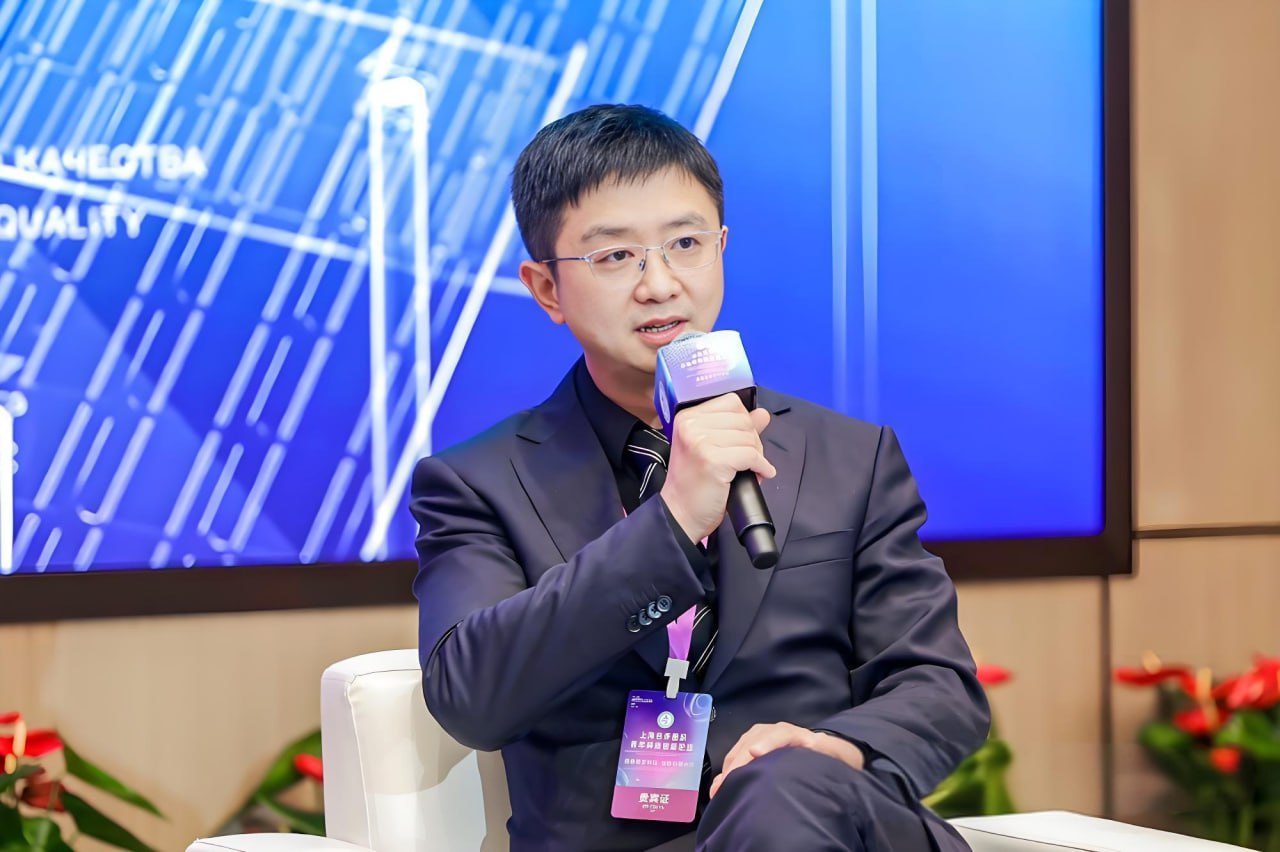
Wu Jianbo,
Secretary-General, Green and Smart
Energy Organinzation; Honorary Advisor,
Uzbekistan Tourism Development Institute
References
- Ministry of Agriculture of the Republic of Uzbekistan. Agricultural Development Statistics, 2023.
- Urumqi Bureau of Commerce. Report on Xinjiang Agricultural Trade, 2024.
- State Committee for Tourism of the Republic of Uzbekistan. Rural Tourism Development Program, 2022.
- World Bank. Uzbekistan Agriculture Modernization Report, 2021.
- Asian Development Bank. CAREC Agricultural Trade Outlook, 2023.
Wu Jianbo, Secretary-General, Green and Smart Energy Organinzation; Honorary Advisor, Uzbekistan Tourism Development Institute