Most people picture Egypt as one thing: the pyramids at Giza, seen from a distance with a camel in the frame. That image is real, and standing in front of the Great Pyramid does not disappoint. But it is a small slice of what a trip here actually looks like. Between the temples in the south, the reefs along the Red Sea, and the slow drift of a boat down the Nile, there is more to sort through than a single postcard suggests. If you are only now starting to plan your vacations in egypt, it helps to know what you are getting into before you book anything.
Egypt rewards a bit of homework. It is not a place you wander into without a plan and figure out as you go, at least not comfortably. The distances are long, the heat is serious for much of the year, and the sights are spread across the country rather than clustered in one walkable district. None of that should scare you off. It just means the difference between a smooth trip and a frustrating one usually comes down to decisions you make weeks ahead of time.
Deciding when to go
The weather does a lot of the deciding for you. Summer in Upper Egypt, where Luxor and Aswan sit, gets brutally hot. Walking around Karnak at midday in July is the kind of thing you do once and never again. Most travelers aim for the stretch between October and April, when daytime temperatures are manageable and evenings are pleasant. The catch is that everyone else has figured this out too, so the popular months bring bigger crowds and higher prices.
If you can be flexible, the shoulder weeks in late October or early March tend to give you the best balance. The weather holds, the sites are busy but not overwhelming, and hotels have not yet pushed their peak rates. Ramadan is worth checking against your dates as well. Traveling during it is perfectly doable, and in some ways the atmosphere is lovely, but opening hours shift and some restaurants keep a reduced schedule during daylight.
Sorting out the logistics
Getting to Egypt is straightforward from most of the world, though the details vary a lot depending on where you start. Travelers coming from Southeast Asia, for instance, usually connect through the Gulf, which adds a layover but keeps the fares reasonable. If you are flying out of Kuala Lumpur, comparing a bundled egypt tour package from malaysia against booking each piece yourself is worth an afternoon of your time. A package often folds the flights, internal transfers, hotels, and guided days into one price, which spares you from stitching together a domestic flight to Luxor and a Nile cruise on your own.
Visas are simple for most nationalities. Many visitors can get an e-visa online before departure or a visa on arrival at the airport, though it is smart to confirm the current rules for your passport rather than trusting a forum post from three years ago. Bring some cash in small bills for tips, which are a normal and expected part of daily life here, from the person who carries your bag to the guide who walks you through a tomb.
Building an itinerary that fits you
This is where a lot of first-timers overcommit. It is tempting to cram Cairo, Luxor, Aswan, Abu Simbel, and a week on the Red Sea into ten days. You can technically do it, but you will spend a good chunk of the trip in transit and arrive home more tired than when you left. A better approach is to pick a shape for the trip and let the rest fall away.
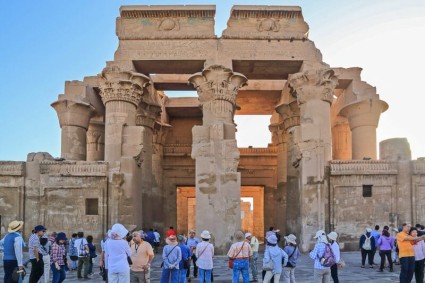
A classic route pairs a couple of days in Cairo with a Nile cruise between Luxor and Aswan, which handles the bulk of the ancient sites without constant repacking. If diving or beach time matters to you, add Hurghada or Dahab and treat it as a separate leg rather than a side trip. Travelers who want the itinerary shaped around their own pace, rather than a fixed group schedule, often look into Egypt Tailor-Made Tours, which let you decide how long to linger at each stop and when to build in a slow morning. That flexibility is genuinely useful in a place where you might want an extra hour inside a temple or an early night after a long travel day.
A few things people wish they'd known
Dress with the culture in mind, especially away from the resort towns. You do not need to cover head to toe, but light clothing that keeps your shoulders and knees covered will make you more comfortable and draw less attention. Carry more water than you think you need. The dry air pulls it out of you faster than you notice, and the first sign of dehydration is usually a headache you blame on the heat.
Expect to haggle in the markets, and expect the first price to be optimistic. It is not personal, and a friendly back-and-forth is part of the transaction rather than a fight. Finally, give yourself permission to slow down. The sights are extraordinary, but some of the better memories come from a mint tea on a rooftop at dusk or a conversation with a boat captain who has made the same Nile run for thirty years. Egypt is generous to travelers who leave a little room in the schedule for it.