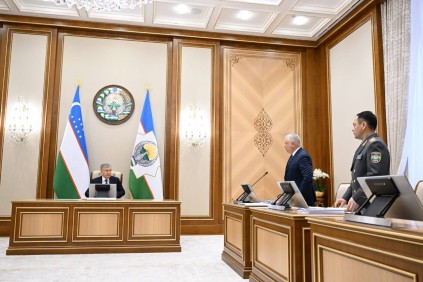
The 2026 State Program, approved by the president on Monday includes an item on the pilot project of jury trials and a number of other reforms to the judicial system.
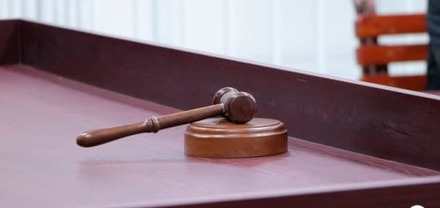
In phase I, starting in November 2026, hearings by a jury collegium is to begin in courts of Tashkent and the Tashkent provinces.
As part of the project, the jury will participate in consideration of criminal cases involving particularly serious crimes (except for crimes against peace and security).
The item also provides for strengthening judicial review at pre-trials within habeas corpus system.
Investigative judges are planned to be given the power to change or revoke preventive steps such as detention or house arrest.
Likewise, judicial oversight over the use of coercive steps and respect for human rights is expected to be stepped up in criminal proceedings, and the powers of all investigative judges in the country will be expanded.
The program mandates the development of steps to equalize the procedural powers of the defense and prosecution by June 1, 2026.
Specifically, it is planned to implement a new procedural document—the Himoya Fikri (defense’s opinion). Attorneys will be able to present the defense's position in writing to court simultaneously with prosecutor's submission of an indictment.
Furthermore, attorneys will be granted the right to review case materials and evidence and make copies of them at any time during the pre-investigation review and preliminary investigation. Exceptions will be made in cases stipulated by law (including those related to protecting the rights of victims and other persons).
The item also stipulated that attorneys' inquiries to government agencies, including notary and cadastral services, will be processed free of charge.
These steps are expected to expand the powers of more than 7,000 attorneys in criminal proceedings.
Courts will be given the right to exercise flexibility in cases involving international trade contracts.
Economic courts will be empowered to reduce fines for overdue accounts receivable under export contracts if the entrepreneur acted in good faith and in proportion to the steps taken.