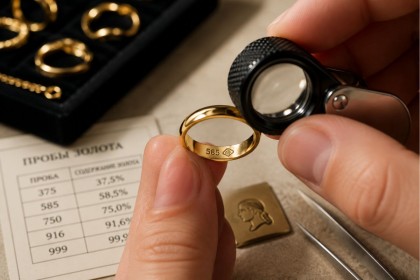
How to Determine Gold Quality Before Buying
Gold jewellery has always been popular in Uzbekistan. People buy gold not only as an accessory, but also as a gift, a family tradition, and a way to preserve value over time. However, many buyers focus only on appearance and price while ignoring one of the most important factors — quality.
Understanding how to evaluate gold quality before purchasing can help you avoid overpaying, buying fake jewellery, or choosing a piece that quickly loses its appearance. Fortunately, there are several important things every buyer can check even without being a professional jeweller.
Check the Gold Purity
The first thing to look at is the gold purity, also known as the hallmark or gold standard.
In most jewellery stores in Uzbekistan, the most common gold purities are:
- 585 gold (14K);
- 750 gold (18K);
- 916 gold (22K).
The number indicates how much pure gold is contained in the alloy. For example:
- 585 gold contains 58.5% pure gold;
- 750 gold contains 75% pure gold.
Higher purity usually means:
- higher value;
- richer colour;
- softer metal.
However, higher purity is not always better for daily wear. Very pure gold is softer and scratches more easily. This is why many people prefer 585 gold for everyday jewellery.
Look for Hallmarks and Stamps
A genuine gold item should have a hallmark stamped on it. This mark is usually located:
- inside a ring;
- near the clasp on chains or bracelets;
- on the back of earrings or pendants.
The hallmark should look clean and precise. Blurry or uneven markings may be a warning sign.
It is also important to understand the difference between solid gold and gold-plated jewellery. Marks such as:
- GP (Gold Plated);
- GEP;
- GF (Gold Filled)
usually indicate that the item is not made entirely of gold.
Pay Attention to Colour
Real gold has a warm and natural tone. Extremely bright yellow or unnatural shiny colours can sometimes indicate cheap plating or low-quality alloys.
Different gold colours are created by mixing gold with other metals:
- yellow gold contains silver and copper;
- white gold usually contains palladium or nickel;
- rose gold contains more copper.
The colour should look even across the entire piece. If some areas appear faded or darker, it may suggest plating wear or poor-quality finishing.
Check the Weight
Gold is a dense and heavy metal. A genuine gold chain or bracelet often feels heavier than expected for its size.
Very light jewellery may indicate:
- hollow construction;
- thin plating;
- low gold content.
Of course, weight alone cannot confirm authenticity, but it helps create a general impression of quality.
Inspect the Craftsmanship
Good jewellery is not only about gold purity. The quality of workmanship matters just as much.
Before buying, carefully examine:
- the clasp;
- stone settings;
- soldering points;
- symmetry;
- surface finishing.
High-quality jewellery usually has:
- smooth edges;
- secure clasps;
- polished surfaces;
- evenly set stones.
Poor finishing, rough edges, or loose elements may indicate low manufacturing standards.
Ask About Certificates and Documentation
When buying expensive jewellery or pieces with diamonds, it is important to ask for documentation.
A reliable jewellery store should be able to provide:
- receipts;
- authenticity information;
- gemstone certificates (if applicable).
For diamonds, international certificates such as GIA are especially valuable because they confirm:
- stone quality;
- carat weight;
- clarity;
- colour.
Be Careful with Prices That Look Too Good
One of the biggest mistakes buyers make is focusing only on low prices.
If a gold item is significantly cheaper than similar products on the market, there is usually a reason:
- low purity;
- hollow construction;
- fake stones;
- gold plating instead of solid gold;
- poor craftsmanship.
Gold prices are largely connected to global gold market prices, so genuine high-quality gold jewellery rarely sells far below market value.
Buy from Trusted Sellers
Perhaps the most important advice is to choose reliable jewellery stores with a strong reputation.
A trustworthy seller should:
- clearly explain gold purity;
- provide transparent pricing;
- answer questions openly;
- allow close inspection of the jewellery.
Professional jewellers also use specialised equipment to test gold and gemstones, which provides much more accurate results than simple home methods.
Buying gold jewellery is often an emotional and important purchase. Whether you are buying a gift, an engagement ring, or an investment piece, understanding gold quality can help you make a smarter decision.
The most important things to check before buying are:
- gold purity;
- hallmarks;
- craftsmanship;
- weight;
- seller reputation.
A beautiful piece of jewellery should not only look impressive on the first day, but also maintain its value, appearance, and quality for many years to come.