Uzbekistan is considering the introduction of a vehicle scrappage program to safely decommission end-of-life automobiles and recycle their components. A draft presidential decree, published by the State Committee for Ecology and Climate Change, is open for public discussion until June 28.
The legislation aims to improve air quality, ensure environmental sustainability, safeguard public health, and curb vehicle emissions. It seeks to establish a structured, efficient network for scraping old vehicles and processing their reusable parts.
According to the proposal, the system will roll out in the following sequential phases:
- 2026: Applies to Category M1 vehicles (standard passenger cars).
- 2027: Expands to Category M2, M3, N1, N2, and N3 vehicles (minibuses, buses, and commercial trucks).
- 2030: Encompasses all classes of wheeled transportation.
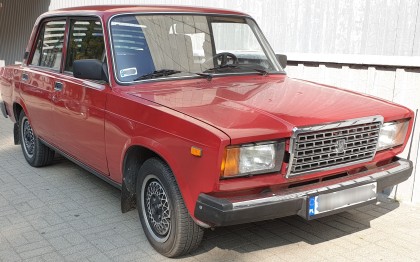
Beginning January 1, 2027, motorists operating vehicles manufactured 30 or more years ago will face an annual environmental compensation fee. This levy is set at 30 Base Calculating Values (BCV), which currently equates to 12.36 million soums.
Furthermore, the draft decree proposes an outright ban on operating or re-registering vehicles assigned to the "harmful" environmental category. These high-emission vehicles will be stripped of their official state registration, though classic and antique automobiles will be strictly exempt from the restriction.
The document also details the framework required to systematically organize vehicle disposal and component recycling. Under the new guidelines, an "end-of-life vehicle" is defined as any transport medium that is no longer viable to operate due to technical flaws, financial impracticality, or ecological degradation, alongside any vehicle failing to meet baseline national safety standards.
To begin, the owner must submit the vehicle for a mandatory technical inspection, as cars that fail this baseline check will not be eligible for valuation. Once inspected, owners can apply for an official assessment through a dedicated online platform by entering key vehicle details, such as the make, model year, and current mechanical condition.
An authorized appraiser will then have five business days to evaluate the vehicle. The final valuation results will be issued as an official certificate and uploaded directly to the digital platform.
Following the assessment, the owner can submit a request to hand over the car to a licensed operator. This application must be accompanied by documentation proving that the vehicle has been officially deregistered.
The operator will accept the car and issue a formal transfer deed. In return, owners may receive a cash payout, a digital voucher offering discounted rates on a new vehicle purchase, or other legally sanctioned forms of compensation. The exact payout amount and terms of settlement will be determined by the appraiser's valuation and locked into a binding contract.
Digital Vouchers for New Vehicle Purchases
When a buyer presents a valid voucher, the dealership is required to apply a discount equivalent to the voucher's face value. To make the transition easier on the consumer, any remaining balance on the new vehicle can be financed through an interest-free or installment plan spanning more than one year. These digital vouchers and their corresponding discounts will remain valid for exactly six months from the date of issuance.
To ensure transparency, operators will be strictly required to log all data regarding accepted, recycled, refurbished, resold, or exported vehicles into the digital platform. They must also upload copies of all corresponding contracts, transfer deeds, and commercial invoices.
Stay up to date with all the latest news: