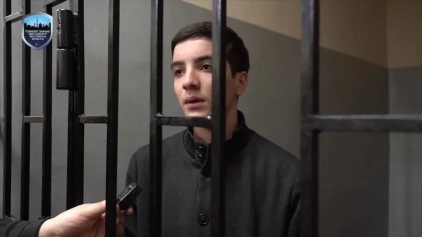
Belarusian President Alexander Lukashenko waded into the debate over Uzbek labor migration on July 21, telling a government video conference that Uzbek citizens hoping to "make serious money" would be better off looking for work in Russia. The remark came just weeks after a group of migrant workers from Andijan complained publicly about low wages in Belarus.
From "Come Settle Here" to "Try Russia Instead"
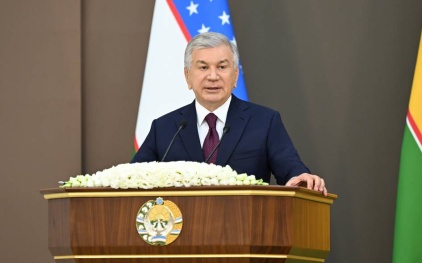
The comments stood in contrast to Lukashenko's tone earlier this month, when he met Uzbek President Shavkat Mirziyoyev in Minsk and personally invited Uzbeks to move to Belarus with their families. At that meeting, Lukashenko had said Belarus faced labor shortages and wanted Uzbek families to settle permanently, promising access to healthcare, education, and support to help them get established — "so that Belarusian land doesn't stand empty," as he put it.
Soon afterward, more than 250 residents of Andijan region traveled to Belarus for temporary work in agriculture and livestock farming. But many of the migrants voiced disappointment over their pay: employers had reportedly offered them around $500 a month, a sum the workers said they could earn just as easily back home in Uzbekistan.
Workers Wanted — For Meat and Milk Quotas
Addressing the issue at Monday's meeting, Lukashenko said Mirziyoyev had asked him for something more specific than jobs for Uzbek citizens — he had asked Belarus to help supply meat and dairy products.
"They're short on land, and their water resources are limited. We have plenty of both land and water. We can produce meat and milk," Lukashenko said.
According to the Belarusian leader, the two countries had agreed to send Uzbek workers to Belarus specifically to help meet that agricultural need. "If your people [Uzbek citizens] come through our system, everything will be under control — we'll take them on as our own. Not just so they can earn money and get a good salary, but to produce meat and milk. Once they're producing it, we'll sell it into their markets. That's exactly where the wages will come from," he said, laying out the arrangement.
Echoes of a Soviet-Style Labor Ethic
It's a framing that's hard to miss: workers are valuable not for their own ambitions, but for what they can produce toward a state-level goal — in this case, filling Belarus's meat and dairy quotas and its labor gaps. Lukashenko himself made the hierarchy explicit, telling migrants hoping for real financial gain to look elsewhere: "Let me repeat: people come to Belarus to produce meat, milk, and other agricultural goods and send them home. The higher the productivity, the more they produce, the higher the pay will be," he said, tying any individual reward directly to output serving the collective plan. Anyone chasing "big money" for its own sake — his words suggested — simply wasn't thinking about this the right way, and should try Russia's oil fields instead.
It's the kind of logic that would have felt familiar in a Soviet ministry office: labor as a resource to be allocated according to state need, wages as a byproduct of fulfilling a quota rather than a market rate for a worker's time, and the state itself as the entity that decides where a person's productivity is best spent — not the person.
Lukashenko added that Belarus would still provide such workers with social services and guarantees. "As for healthcare and education, they'll have the same rights as Belarusians. That cost us much either," he said — social benefits offered almost as a footnote to the labor arrangement, rather than as a plank of the pitch.
Local Officials Get the Final Say
Turning to provincial officials, he said it was up to local leaders to decide where foreign labor was actually needed: "The main thing is to fully carry out your assigned tasks. If you don't need outside workers, don't take them. I'm not forcing you to." Even here, the framing stayed top-down — a matter of officials meeting assigned targets, with migrant labor treated as one input among others to be deployed or withheld as the plan required.
Separately, at his own video conference the same day, President Mirziyoyev said there had been numerous complaints about the performance of Uzbekistan's diplomatic missions abroad. Uzbekistan's ambassador to Belarus was subsequently dismissed over what was described as a lack of attention to investment and foreign trade matters.