Uzbekistan will restrict electricity payments for consumers who fail to settle unpaid drinking water and sewage bills from January 1, 2027, Uzsuvtaminot said.
Islom Abdullayev, first deputy chairman of the company’s management board, outlined the procedure at a news conference in Tashkent Friday.
“If a debt for drinking water and sewage services is not repaid by the deadline, its recovery will be pursued through a notary or the courts,” Abdullayev said. “If the obligations are still not met after that, the ability to pay for electricity will be restricted.”
Consumers will first receive a written warning. If the debt is not repaid within five working days, recovery begins. Debts of up to 1,000 base calculation values (BCVs), or 440 million soums, will be pursued through a notary. Larger debts will go to court.
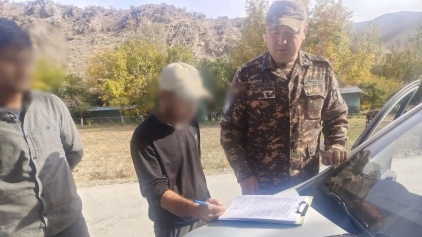
An enforcement document will then be passed to the Compulsory Enforcement Bureau. If the consumer does not comply within the voluntary period, electricity payments will be restricted automatically until the debt is cleared.
Uzsuvtaminot stressed that a debt alone will not trigger an immediate restriction, and that the measure is the last stage of recovery. The mechanism blocks top-ups rather than cutting supply directly, but consumers with prepaid meters could lose power once their existing funds run out.
Families included in the Unified Social Register are exempt, according to Presidential Decree No. UP-140 of July 24, 2026, which sets out the procedure.
Uzbekistan already uses electricity payment restrictions to recover other utility debts. The measure began to be implemented on August 1, 2025, for unpaid household waste collection bills. Since July 1, 2026, Tashkent has applied it to debts on mandatory contributions for the upkeep of shared property in apartment buildings.
Stay up to date with all the latest news: