India has made notable progress on health, nutrition, and social development indicators, reflecting the results of consistent government policy and the focused implementation of key national programs. Recently, the findings of the sixth round of India's National Family Health Survey (NFHS-6), conducted by the Indian government, were announced.
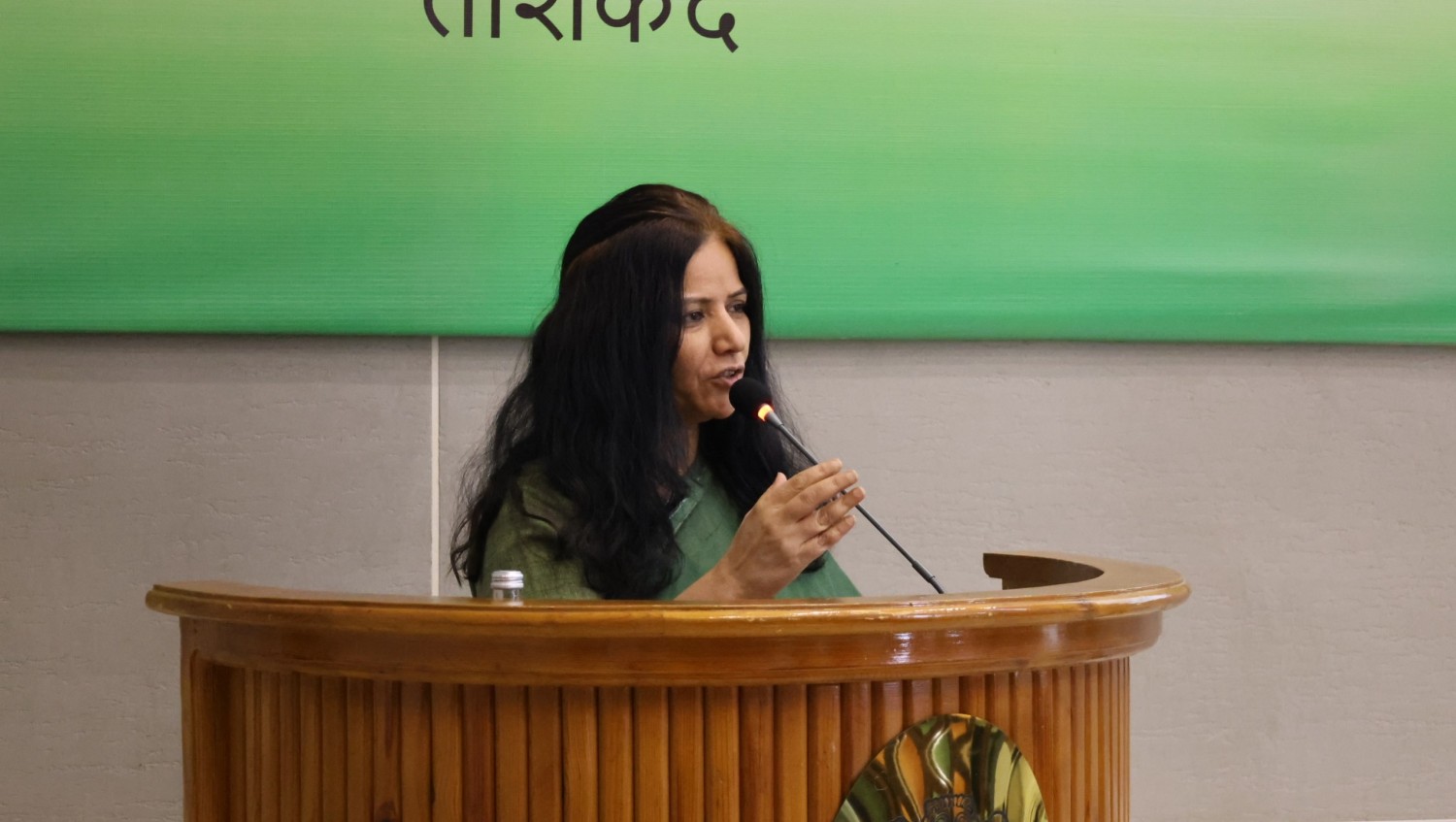
In connection with this, India's Ambassador Extraordinary and Plenipotentiary, Ms. Smita Pant, held a зкуыы briefing in Tashkent, dedicated to the survey's key findings and to the major achievements made in India's healthcare sector. As Ambassador Smita Pant noted in her remarks, India's healthcare system has earned high recognition not only within the country but on a global scale as well.
The National Family Health Survey–6 (NFHS-6) was conducted in 2023–2024 by India's Ministry of Health and Family Welfare, in partnership with the International Institute for Population Sciences (IIPS), Mumbai, which served as the nodal agency. The survey covered approximately 679,000 households across 715 districts of India. It provides essential data on population, health, nutrition, and family welfare, and serves as the foundation for evidence-based program planning and implementation down to the district level. Six rounds of the survey have been conducted to date: NFHS-1 (1992–1993), NFHS-2 (1998–1999), NFHS-3 (2005–2006), NFHS-4 (2015–2016), NFHS-5 (2019–2021), and NFHS-6 (2023–2024).
The main findings from a comparison of NFHS-5 and NFHS-6 are presented below.
Safe Motherhood, Institutional Deliveries, and Improved Maternal and Child Health Care
India has seen significant improvements in maternal and child health care. 95.9% of pregnant women received antenatal care, reflecting stronger coverage and continuity of maternal health services.
The share of institutional deliveries rose from 88.6% to 90.6%, moving India closer to universal coverage. The share of births attended by skilled health personnel increased from 89.4% to 91.3%, while postnatal check-ups for newborns by health workers rose from 79.1% to 85.3%. Maternal nutrition indicators also improved substantially.
These gains reflect the strengthening of the public health system and expanded access to maternal and child health services, driven by the focused rollout of initiatives and programs for women and children, along with the promotion of safe motherhood and child healthcare practices.
Improvements in Family Planning
India's total fertility rate has held steady at 2.0. The contraceptive prevalence rate rose from 66.7% to 69.1%, pointing to improved access to family planning services for women in need, with a focus on maternal and child wellbeing.
These improvements underscore the sustained positive impact of national family planning programs, including the Mission Parivar Vikas initiative.
Progress in Child Immunization
India continues to make steady progress toward achieving universal immunization coverage.
Full vaccination coverage among children aged 12–23 months rose from 83.8% to 87.1%, with 95.6% of these children having received most of their vaccinations through public health facilities — a sign of strong public trust in the government health system.
The survey also recorded improvements in key child health indicators. These gains were made possible by strengthened last-mile service delivery through frontline health workers, improved cold-chain infrastructure, the rollout of digital tracking systems such as "U-WIN," and active community participation under India's Universal Immunization Programme and other government health initiatives.
India's Progress in Child Nutrition: Positive Momentum Toward the Sustainable Development Goals
Encouraging progress has been recorded in child nutrition indicators.
95.6% of children under six months were breastfed, while the share of newborns breastfed within the first hour of birth rose by nearly 10 percentage points, from 41.8% to 50.1%.
The prevalence of stunting (low height for age) among children under five fell substantially, from 35.5% to 29.3%, reflecting improved long-term nutritional outcomes. Practices around infant and young child feeding also showed improvement.
These achievements are the result of coordinated efforts across Indian government ministries under key initiatives such as "POSHAN Abhiyaan," "Saksham Anganwadi," and "POSHAN 2.0," backed by strengthened service delivery under the Integrated Child Development Services scheme.
Expanding Financial Protection in Healthcare
Coverage under health insurance and healthcare financing schemes rose significantly, from 41.0% to 60.2% at the household level, reflecting the success of government initiatives to strengthen financial protection for the population in healthcare.
Flagship programs such as Ayushman Bharat–Pradhan Mantri Jan Arogya Yojana (PM-JAY) have played a key role in expanding access to affordable healthcare, particularly for the most vulnerable segments of the population.
This expansion marks an important step toward universal health coverage and ensuring equitable access to quality healthcare services across the country.
Women's Empowerment and Financial Inclusion
Further progress has been recorded in women's digital inclusion and financial independence.
Internet use among women nearly doubled, from 33.3% to 64.3%. The share of women with a bank or savings account that they use themselves rose from 78.6% to 89.0%, while the share of women who use a mobile phone of their own increased from 53.9% to 63.6%.
The use of hygienic menstrual protection among women aged 15–24 rose from 77.6% to 79.2%, driven by initiatives such as the Menstrual Hygiene Scheme (MHS) and the availability of affordable sanitary products under the Pradhan Mantri Bhartiya Janaushadhi Pariyojana program.
These initiatives have helped raise awareness, improve accessibility, and spread safe menstrual hygiene practices across the country.
NFHS-6 provides a crucial evidence base for program implementation and policymaking in health and social development. The findings reflect steady progress in maternal and child healthcare, nutrition, women's empowerment, and access to essential services.
At the same time, emerging challenges — such as the rise of non-communicable diseases, lifestyle-related risks, and the double burden of undernutrition alongside growing rates of overweight and obesity among adults — underscore the need for continued focus on preventive healthcare, behavioral change, and balanced nutrition.
Overall, the findings confirm India's steady advance toward the Sustainable Development Goals (SDGs). With continued emphasis on inter-agency coordination, effective last-mile service delivery, and inclusive growth, India is well positioned to sustain these gains and continue improving the health and wellbeing of its population.
Stay up to date with all the latest news: