Uzbekistan has wrapped up its first comprehensive study on women’s career prospects and gender barriers in the private sector. Its findings reflect the broader reality across most technical companies in the country.
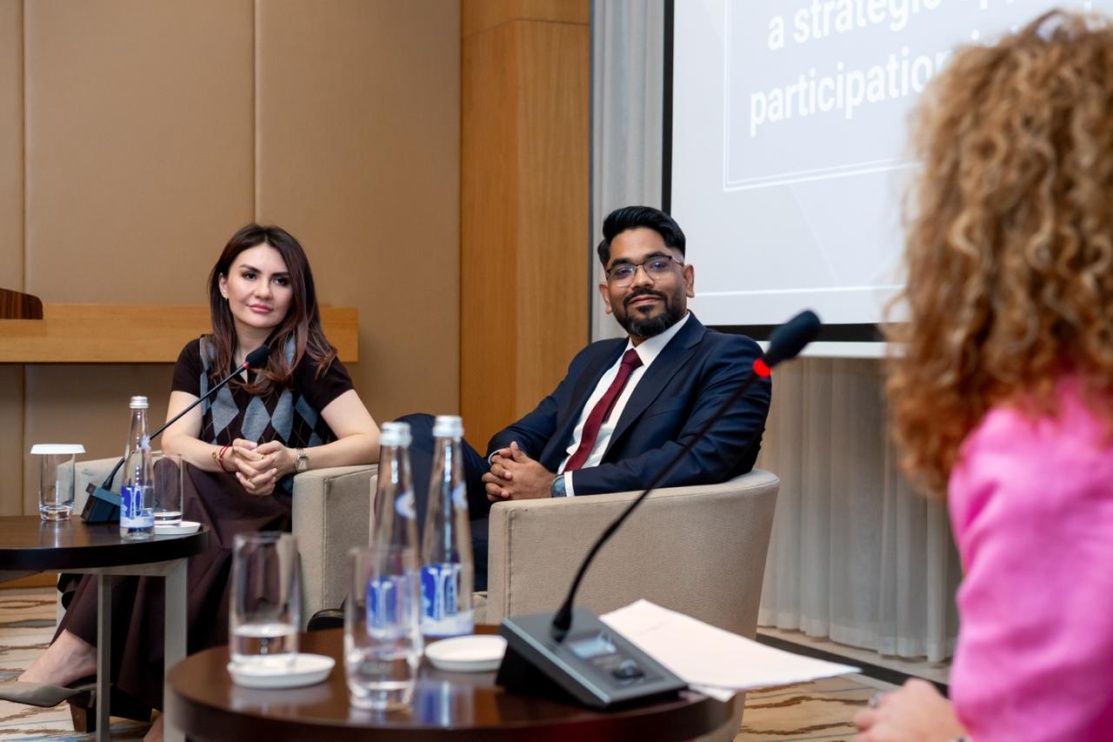
The results of the inaugural study on career opportunities for women in the energy sector were presented in Tashkent. The project was initiated by Acwa and the American Chamber of Commerce in Uzbekistan (AmCham Uzbekistan), with representatives from UN Women, the SABR NGO, and the Golden Heritage of the Aral (“Orol oltin merosi”) association taking part in the event.
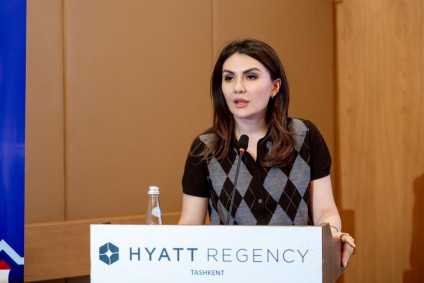
The research covered the Tashkent, Syrdarya, Samarkand, and Bukhara regions, as well as the Republic of Karakalpakstan. It was authored by Dr. Kamola Alieva, a legal scholar and gender research expert.
Where Uzbekistan Loses Technical Talent
Women account for nearly 40% of students enrolled in STEM (Science, Technology, Engineering, and Mathematics) programs at Uzbek universities; however, only a fraction transition into the workforce. In the energy industry, for instance, women make up merely 12%.
"Some international employers with a genuine commitment to gender balance admitted during interviews that they do not receive a single application from women for certain technical roles. Thus, hiring discrimination is compounded by a much deeper issue on the talent supply side," emphasized Dr. Kamola Alieva, the author of the study.
The analysis revealed that women's pathways into technical fields are blocked right at the start: family "gatekeeping" and stereotypes about "non-female" professions from husbands and parents serve as the initial filter. At the hiring stage, a bias against motherhood kicks in, with female candidates evaluated not by their capabilities, but through the lens of potential maternity leave and career gaps. Even after establishing a career, women face a "competence tax," forced to constantly prove their skills and over-deliver just to gain recognition.
"Acwa creates equal opportunities for professionals of all genders. In Uzbekistan, the Shirin Energy College operates under our patronage, recruiting students from various regions across the country. In our first graduating class of 2022–2023, there were only five young women, all of whom are now successfully working at Acwa facilities. Today, female enrollment is growing. The main takeaway for us is that in Uzbekistan, simply offering technical education and a job is not enough — you have to engage with their families and social circle. In one instance, parents forbade a female graduate from relocating from Syrdarya to Tashkent. We met with the family in person to explain the working conditions and career prospects. This approach requires resources, but it is the only way to break down gender barriers in the industry," shared Ahmed Fahad, Head of Acwa Operations in Central Asia.
The Practical Side: Solving the Talent Shortage
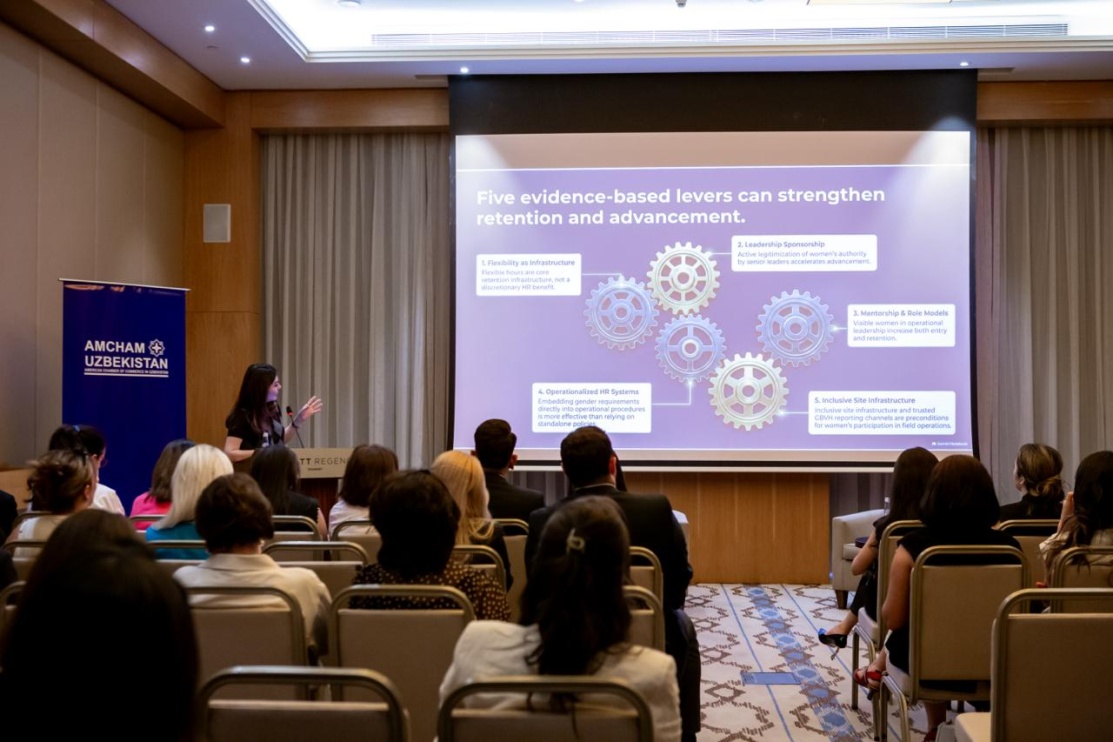
To help businesses attract and retain female talent, the study identifies five key levers:
● Flexibility: Flexible schedules and remote work should be standard business practice, not a rare perk.
● Executive Leadership Support: Public recognition of female professionals' expertise by executive management accelerates their path to leadership roles.
● Role Models: The presence of women in engineering roles inspires young women to enroll in technical universities and pursue technical careers.
● Integrated HR Systems: Enforcing clear standards—from prohibiting personal interview questions (about marriage and children) to establishing gender-balanced hiring panels.
● Inclusive Site Infrastructure: Providing baseline facilities at job sites—separate restrooms, safe transportation, and confidential reporting channels for harassment.
Stay up to date with all the latest news: