Uzbekistan is opening the door wider for private businesses to build small and micro hydropower plants, betting that the country's vast network of canals and rivers can become a new engine of clean energy growth. A presidential decree signed on August 19 lays out an ambitious plan to expand the sector through 2030 — and dangles some unusually generous tariffs to get investors interested.
The numbers behind the push are significant. Officials want to push the combined capacity of small and micro hydropower plants past 204 megawatts, generating 620 million kilowatt-hours of clean electricity a year — enough, the government says, to bring green power to roughly 350,000 households currently outside the reach of Uzbekistan's main grid.
To make that happen, the Ministry of Energy is turning to the market. Under the new rules, developers looking to build plants up to 5 megawatts will compete in a descending-price electronic auction on the E-auksion platform, bidding down from a starting tariff toward a guaranteed floor price.
The incentives scale with plant size: the smallest micro-plants, under 500 kilowatts, can command a tariff of up to 150% of the standard rate paid to Group II consumers — as much as 1,650 soums per kilowatt-hour, compared with the standard 1,100 soums. Larger small hydropower plants, up to 5 megawatts, get a more modest bump, topping out at the standard rate itself. The message is clear: the government wants risk capital flowing into remote, less commercially obvious sites, and it's willing to pay a premium to get it there.
Regulators are also moving to speed up the process. A new digital platform, due by February 2027, will track projects from proposal to construction to operation, while the Ministry of Energy has been given six months to complete a nationwide inventory of concrete-lined canals, rivers and waterways with hydropower potential — the raw material for a project pipeline the Cabinet of Ministers will later approve district by district. Some paperwork is being cut entirely: micro-plants under 50 kilowatts and smaller than 300 cubic meters in structural volume will be exempt from urban planning review and state construction oversight altogether.
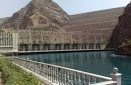
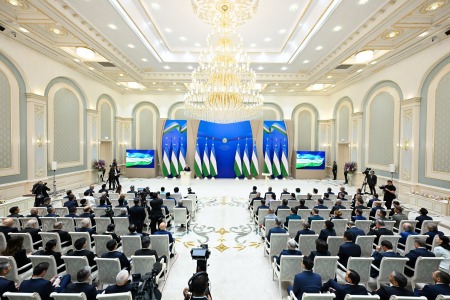
The scale of the opportunity is considerable. Uzbekistan's rivers and canals stretch more than 173,000 kilometers across the country, and officials briefed on the plan in an August 19 presentation to President Shavkat Mirziyoyev said concrete-lined canals in particular offer largely untapped potential for small hydropower development. Beyond the environmental benefits, officials framed the push as a practical fix for a persistent problem: getting reliable power to remote areas without waiting for expensive transmission upgrades, while also trimming losses across the wider grid.
Environmental and social safeguards will be mandatory for every project, the decree states — a provision likely aimed at heading off the kind of local disputes that have complicated hydropower development elsewhere in the region, where canal and river diversions can affect irrigation and downstream communities.
Whether the tariff incentives are generous enough to draw serious private capital remains to be seen, but the timeline is aggressive: officials are aiming to have detailed, site-specific project lists finalized and moving toward construction within the year, with the broader 2026-2030 development program running in parallel.
Stay up to date with all the latest news: